
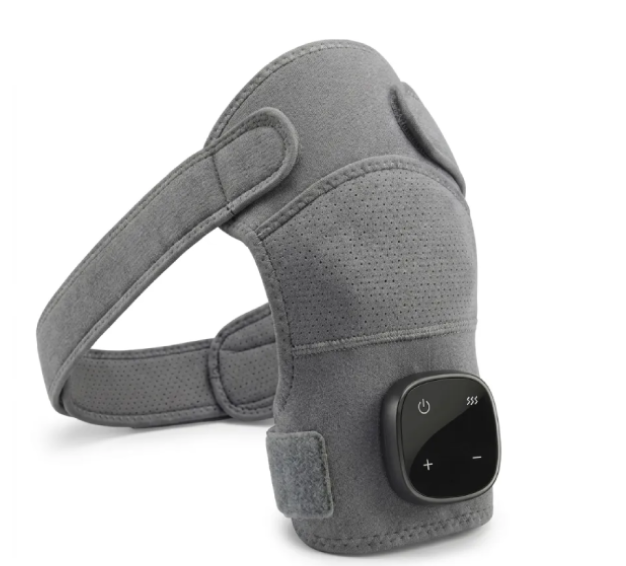
Picture your upper trapezius like a rigid cable—when it stays overloaded from posture or work, it develops trigger-point–like bands and reduced local perfusion. Using a shoulder massager like the Vital Shoulder Massager can target posterior cuff and upper trap tension via heat plus vibration and pulse stimulation, which may support circulation and neuromuscular relaxation. You’ll also need to select intensity carefully to avoid aggravation and match the device type to your symptoms—so you can set up your first session safely.
Great Points
- Use targeted pulse, heat, and vibration to reduce tension in the posterior cuff and upper trapezius.
- Run 15–30 minute sessions, once or twice daily, starting low intensity and increasing only as comfort allows.
- Apply heat first to improve circulation and tissue pliability, then use stimulation to sustain relaxation.
- Focus self-massage pressure on common trigger points in the upper trapezius and levator scapulae for mobility gains.
- Stop and seek medical advice if pain worsens, numbness/tingling occurs, or no improvement after consistent weeks of use.
Why a Shoulder Massager Helps Tight Shoulders
When your shoulders feel tight—especially after long desk sessions—a shoulder massager can help by combining pulse stimulation, heat therapy, and vibration to target muscle tone and discomfort at the source. In the context of shoulder anatomy, this approach can reduce muscle tension in posterior cuff and upper trapezius regions that typically fatigue in sustained scapular elevation and forward head posture. Heat supports local perfusion and viscoelastic recovery, which may decrease stiffness by improving circulation and tissue pliability. Pulse and vibration add consistent neuromodulation and mechanical input, helping down-regulate perceived discomfort while you remain relaxed. If you use it regularly, you can expect less evening tightness and better functional comfort. Hands-free operation also encourages repeat sessions without manual tools or heat patches, improving adherence and efficiency.
Spot Trigger Points You Can Reach at Home
Targeting the right “trigger points” can be more effective than just heating or rubbing sore shoulders. At home, use self massage techniques to press and hold in specific trigger point locations: the upper trapezius (between the neck and shoulder), and the levator scapulae (medial border of the scapula toward the neck). These bands commonly tighten after prolonged desk posture, increasing scapular elevation and neck load. With the Vital Shoulder Massager, apply pulse stimulation plus heat directly over the knot, then maintain steady pressure until you feel local softening and reduced referred discomfort. This approach helps interrupt the tightness–stiffness cycle. Consistent sessions—about a month—can reduce shoulder tightness and support improved mobility, while you stay hands-free.
Choose the Right Shoulder Massager Type for You
Which shoulder massager type best matches your tension pattern and lifestyle—handheld, electric, or wearable? If your pain is focal near the scapular spine or upper trapezius, a handheld unit can deliver handheld benefits: direct pressure and adjustable angle, but you must actively guide it, which may be less ideal for fatigue or precise dosing. If you want reproducible loading, choose an electric model; multiple settings for heat, vibration, and pulse stimulation let you titrate intensity in line with biomechanical comfort thresholds. If you work at a desk or need hands-free treatment, a wearable device—like the Vital Shoulder Massager—offers wearable convenience by maintaining consistent contact while you move. Match portability, ease of use, and therapeutic features to your symptoms and daily schedule.
Heat vs Massage for Stiff Shoulders
Heat therapy and massage address stiff shoulders through different, complementary mechanisms: heat raises local tissue temperature, increases blood flow, and reduces muscle spindle sensitivity, which helps tight muscles soften and move more freely. In practice, proper heat application can decrease stiffness around the shoulder girdle, improving range of motion after prolonged sitting.
Massage techniques add mechanical and neuromuscular effects. Pulse stimulation and vibration can reduce perceived discomfort and promote relaxation by targeting muscle tension at the tissue level, which helps restore scapulothoracic rhythm and shoulder mechanics.
You’ll often get the best outcome by combining both: heat first prepares the tissue for deeper, more efficient relief, then massage sustains tension reduction. With regular use, heat supports flexibility while consistent massage techniques improve long-term shoulder comfort.
Set a Safe Intensity for Your First Session
After you’ve warmed tissue with heat or a brief warm-up, the next step is dialing in a safe intensity for pulse stimulation and vibration. Begin with the lowest safety settings so your shoulder musculature can acclimate without triggering protective guarding. Then do an intensity adjustment in small increments—based on perceived comfort and tolerance. Use this sequence:
- Start at level 1 for 2–3 minutes.
- Increase by one step if sensation remains comfortable.
- Revert to the prior level if pain, tingling, or excessive discomfort appears.
During the session, monitor skin and muscle response; if discomfort rises, stop and reassess. Aim for 15–20 minutes to estimate effect and avoid overstimulation. With consistent, comfortable intensity, you’ll improve relaxation and reduce stiffness over time.
Where to Massage: Neck, Trap, and Shoulder
Once you’ve set a comfortable intensity, focus on the tension points that most directly reflect neck–shoulder biomechanics. Keep neck alignment neutral while you work the junction where the neck meets the shoulder, because desk posture commonly drives localized muscle tension. Then direct treatment to the upper trapezius: from the back of the neck down toward the mid-scapular region, since this muscle stabilizes the shoulder girdle during sustained sitting. Finish on the shoulder region itself, using pulse stimulation, heat therapy, and vibration to support blood-flow-related recovery and restore flexibility.
| Zone | What you feel | Goal |
|---|---|---|
| Neck–shoulder junction | deep ache | reduce muscle tension |
| Upper trapezius | tight bands | improve mobility |
| Shoulder region | surface soreness | relax and recover |
How Long Should You Use a Shoulder Massager?
How long should you use a shoulder massager to get meaningful tension relief without overloading the tissue? Aim for a controlled session duration: 15–30 minutes per use, then stop before tissue irritation builds. For ideal frequency, use it once or twice daily, aligning with your capacity to stay comfortable and move through normal shoulder range. You’ll usually notice reduced tightness within the first week of consistent use, and greater muscle relaxation after about 30 days.
- Start with 15 minutes, then increase only if no post-session soreness occurs.
- Keep total daily use to 1–2 sessions (ideal frequency).
- Follow manufacturer limits for safe progression.
Use a Shoulder Massager After Desk Work
A practical way to carry your shoulder care forward is to use your shoulder massager right after desk work, when tissue stiffness and trigger-point sensitivity tend to peak from sustained, static postures. In clinical terms, you’re addressing pooled microcirculatory restrictions and guarding behavior that drive shoulder tension at the end of the day. Apply the device with hands-free positioning along the upper trapezius and posterior shoulder for targeted pulse stimulation, heat therapy, and vibration. Heat increases tissue extensibility, while vibration and pulsing can modulate nociceptive signaling and reduce perceived discomfort. Using it consistently helps integrate evening relaxation into your wind-down, and many people notice less evening shoulder tightness over time. This approach avoids manual effort, supporting repeatable biomechanics and comfort.
Recover Faster With a Shoulder Massager After Workouts
After your workout, using a shoulder massager can speed recovery by increasing local blood flow and supporting the removal of metabolic byproducts, which helps limit post-exercise soreness. For evidence-based muscle recovery, apply pulse stimulation to reduce perceived tenderness while heat therapy increases tissue extensibility and helps unwind mechanosensitive tightness. Follow vibration to modulate neuromuscular firing, then move through pain-free shoulder motions to restore biomechanics.
- Boost microcirculation to help clear metabolic byproducts after training.
- Combine heat + pulse to attenuate muscle tension and soreness, improving recovery time.
- Use consistent relaxation techniques to improve flexibility and range of motion, limiting chronic stiffness.
If you train hard, this post-workout protocol supports shoulder function and helps you rebound faster.
Slow Routine for Shoulder Stress Relief (5 Minutes)
Once your shoulders feel locked in from work or training, a slow 5-minute routine can help downregulate muscle spindle-driven tone and restore local mobility without provoking additional stress. Start minute 1: gently roll your shoulders forward and backward to reduce shoulder tension and improve local circulation through controlled range of motion. For minutes 2–3, apply the Vital Shoulder Massager’s pulse stimulation over the tightest bands. You’re using rhythmic sensory input to facilitate reflex relaxation and lower perceived stiffness in the shoulder girdle. Add minute 4 of heat therapy to warm periarticular tissues, increasing extensibility and comfort. Then spend minute 5 on gentle neck stretches to clear residual restriction while maintaining neutral alignment. Finish with deep breathing—inhale through your nose, exhale through your mouth—to reinforce relaxation techniques and steady postural tone.
Common Mistakes When Using a Shoulder Massager
Even if you’re using the right shoulder massager, common technique errors can blunt the neuromuscular effects you’re aiming for. To keep the benefits clinically plausible, follow evidence-based dosing: adjust usage frequency to your symptoms, and avoid long sessions that can over-stimulate muscle spindle activity. Also, make certain your mechanics match the anatomy—pain reduction depends on proper positioning over the intended fibers.
- Don’t skip consistent usage; irregular frequency reduces measurable stiffness relief.
- Use intensity adjustment—start low, then titrate to a tolerable stimulus without sharp discomfort.
- Maintain proper positioning to ensure adequate coverage and contact pressure distribution.
Finally, pair the session with complementary practices like light stretching and hydration to improve relaxation outcomes and reduce rebound tightness.
When to Stop and Get Medical Advice
If your shoulder stiffness doesn’t improve after a few weeks of consistent, correctly positioned massager sessions, you should stop and get medical advice to rule out a secondary cause. That’s the key when to consult: lack of biomechanically expected response suggests impaired tissue healing or an alternate pain generator. Recognizing symptoms matters. Stop use and seek prompt evaluation if you develop severe pain, visible swelling, or measurable loss of range of motion. If you notice numbness, tingling, or radiating pain into the arm, consult a clinician immediately, as these findings can reflect nerve involvement. Also, if you have pre-existing conditions—such as arthritis or a herniated disc—check with your doctor first. If the device increases discomfort or provides no benefit after a reasonable period, discontinue and get guidance.
Make Relief Last With Stretching After Massage
After you finish a session with the Vital Shoulder Massager, adding a short stretching routine helps convert the temporary soft-tissue relaxation into longer-lasting mobility gains by reducing residual muscle guarding in the shoulder and neck. For evidence-based post massage benefits, use stretching techniques immediately after heat, vibration, and pulse stimulation when tissues are warm.
After your Vital Shoulder Massager session, stretch immediately while tissues are warm to boost mobility and reduce residual muscle guarding.
- Perform gentle shoulder rolls and upper-trap stretches, holding each position 15–30 seconds to elongate muscle fibers and improve range of motion.
- Add a doorway pec stretch, keeping the ribs down to avoid compensatory thoracic extension.
- Finish with a light neck stretch (side-bend or chin-tuck), focusing on low-load tension and controlled breathing.
These stretches can increase local blood flow, support recovery, and reduce return of desk-work stiffness through consistent massage-plus-stretching.
Clean and Store Your Shoulder Massager Properly
Once you’ve completed your post-massage stretching to reduce residual guarding while tissues are warm, keeping the device clean helps protect skin contact surfaces and preserves consistent thermal and vibration performance. First unplug it before cleaning to prevent electrical risk and protect electronics. Let heat components cool completely, then wipe exterior surfaces using a damp cloth with mild soap; avoid harsh chemicals that can degrade polymers and alter conductivity. Inspect the power cord and connectors for wear or damage before each use to keep the device working safely. For storage, use storage tips: keep it in a cool, dry place to limit moisture-driven mold risk and maintain actuator performance. Use these cleaning techniques below:
| Area | Method | Frequency |
|---|---|---|
| Exterior | Damp cloth + mild soap | After each use |
| Cord/Connectors | Visual check only | Before each use |
| Heat surface | Fully cool, gentle wipe | After each use |
Which Features Matter Most for Shoulder Massagers?
Which features actually determine whether a shoulder massager helps reduce muscle tension and improves comfort? For evidence-based results, you want design features that combine pulse stimulation, heat therapy, and vibration, since multimodal input better targets stiffness and perceived relief. Prioritize user experience: comfortable contact that tolerates extended wear, plus quiet operation to avoid distraction in office settings. Hands-free use matters biomechanically too—less shoulder bracing lets your scapulothoracic mechanics relax during treatment. Look for consistent session capability, because regular use is what drives noticeable reductions in stiffness from prolonged sitting. Evaluate safety: a massager can support relaxation, but it can’t replace professional medical advice for severe pathology. Check the basics:
- Heat + pulse + vibration modes
- Quiet, ergonomic comfort
- Hands-free, repeatable daily sessions
Common Questions
How to Release Shoulder Tension by Yourself?
To release shoulder tension by yourself, start with gentle shoulder stretches (e.g., doorway pectoral stretch, cross-body stretch) and slow neck mobility to restore scapulothoracic rhythm. Follow with heat for 15–20 minutes to improve local blood flow, then use targeted vibration or self-massage on trigger points for 1–2 minutes per spot. Finish with deep breathing, which downshifts sympathetic tone. Repeat several times daily, and avoid painful end ranges.
Is It Okay to Use a Massage Gun on Shoulders?
Yes—usually it’s okay to use a massage gun on your shoulders, but don’t rush. Target the soft tissue over the rotator cuff and upper trapezius, respecting shoulder anatomy and avoiding bony areas. Use low intensity and short bouts (about 1–2 minutes per muscle group) to support muscle recovery and reduce soreness. Stop if you feel sharp pain, numbness, or bruising. If you’ve got injuries or chronic pain, ask a clinician first.
What Is a Good Massage Device for Shoulders?
A good shoulder massage device combines heat and vibration with pulse stimulation to address soft-tissue tension around the shoulder anatomy. Look for adjustable intensity, ergonomic contact, and hands-free positioning for consistent, biomechanical loading of the upper trapezius and rotator cuff region. Evidence supports that thermal and rhythmic stimulation can improve short-term pain and muscle stiffness. Choose modes that match your massage techniques, like targeted kneading versus broader vibration, and stop if you feel sharp pain or numbness.
Can Massage Help With a Frozen Shoulder?
Yes—massage can help frozen shoulder symptoms, but it’s complementary, not curative. You can use massage therapy benefits to reduce periarticular muscle guarding, improve local blood flow, and modestly increase range of motion through mechanical stimulation. Biomechanically, gentle soft-tissue work may address capsular stiffness indirectly by lowering tension in the rotator cuff and shoulder girdle. Evidence supports pain and mobility gains with consistent, structured sessions alongside physio and medical guidance.
Overall
When you use your Vital Shoulder Massager, you’re not “just relaxing”—you’re mechanically modulating soft-tissue tone and improving local circulation. Start at a tolerable intensity and keep sessions to 15–30 minutes once or twice daily, then pair treatment with a targeted stretch to restore scapulothoracic mechanics. Think of it like unclamping a jammed hinge after desk work: heat plus gentle stimulation helps ease built-up muscle tone.